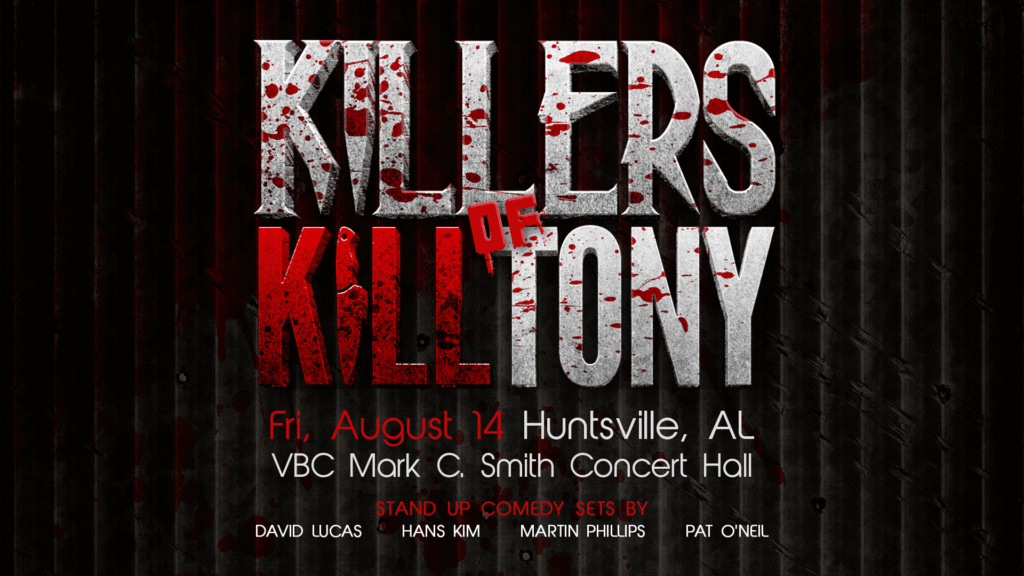


Regional Convention of Jehovah’s Witnesses
October 9, 2026
Learn more about Regional Convention of Jehovah’s Witnesses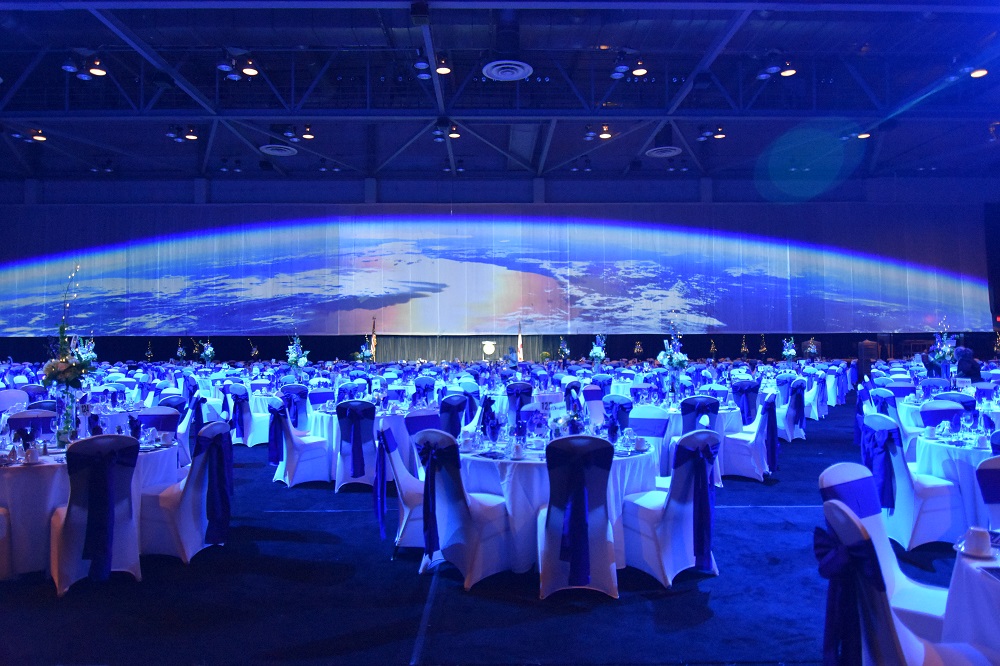
The Von Braun Center takes its name from Dr. Wernher von Braun (1912–1977), a pioneering rocket engineer whose work helped shape Huntsville’s identity as “The Rocket City.”
After arriving in Huntsville in 1950, Dr. von Braun became a leader in the U.S. Army’s missile development program, where his team developed early rocket systems including Redstone, Jupiter-C, and Pershing. In 1960, his team transitioned to NASA, where he served as the first director of the Marshall Space Flight Center.
Under his leadership, Huntsville-based teams developed the Saturn rocket systems – most notably the Saturn V – that powered the Apollo missions to the moon. These advancements helped establish Huntsville as a global center for aerospace innovation and research.
Dr. von Braun’s work – and the work of his team – helped transform Huntsville into a global center for aerospace, research, and innovation. Their contributions extended far beyond rocket development, shaping the city’s scientific, educational, and cultural landscape in lasting ways.
In addition to advancing the U.S. space program, their impact includes:
These contributions helped shape not only Huntsville’s economy, but also its identity – where innovation, education, and culture intersect to create a vibrant and forward-looking community.
Any discussion of Dr. von Braun includes important historical context. Prior to his work in the United States, he served as a lead engineer in Germany’s V-2 rocket program during World War II.
The V-2 program, developed under the Nazi regime, utilized forced labor in its production. Dr. von Braun was a member of the Nazi Party and an SS officer, and his role in this period remains a subject of ongoing historical research and discussion. At the same time, historical accounts also note that he later surrendered to U.S. forces and went on to contribute significantly to American space and defense programs through efforts such as Project Paperclip.
Today, the name “Von Braun Center” reflects both the profound impact of space exploration on Huntsville’s development and the complex history connected to that legacy.
The Von Braun Center remains focused on its role as a gathering place for the community – hosting events, creating shared experiences, and contributing to the continued growth and vibrancy of Huntsville.
Regional Convention of Jehovah’s Witnesses
October 9, 2026
Learn more about Regional Convention of Jehovah’s Witnesses
The Rick Burgess Show Presents “The Are You Ready Live Tour”
October 9, 2026
Learn more about The Rick Burgess Show Presents “The Are You Ready Live Tour”
Huntsville Havoc vs. Pensacola Ice Flyers
October 9, 2026 - January 22, 2027
Learn more about Huntsville Havoc vs. Pensacola Ice FlyersRegional Convention of Jehovah’s Witnesses
October 10, 2026
Learn more about Regional Convention of Jehovah’s WitnessesRegional Convention of Jehovah’s Witnesses
October 11, 2026
Learn more about Regional Convention of Jehovah’s WitnessesStay ahead of the crowd with the latest shows, ticket drops, and exclusive VBC presale codes.

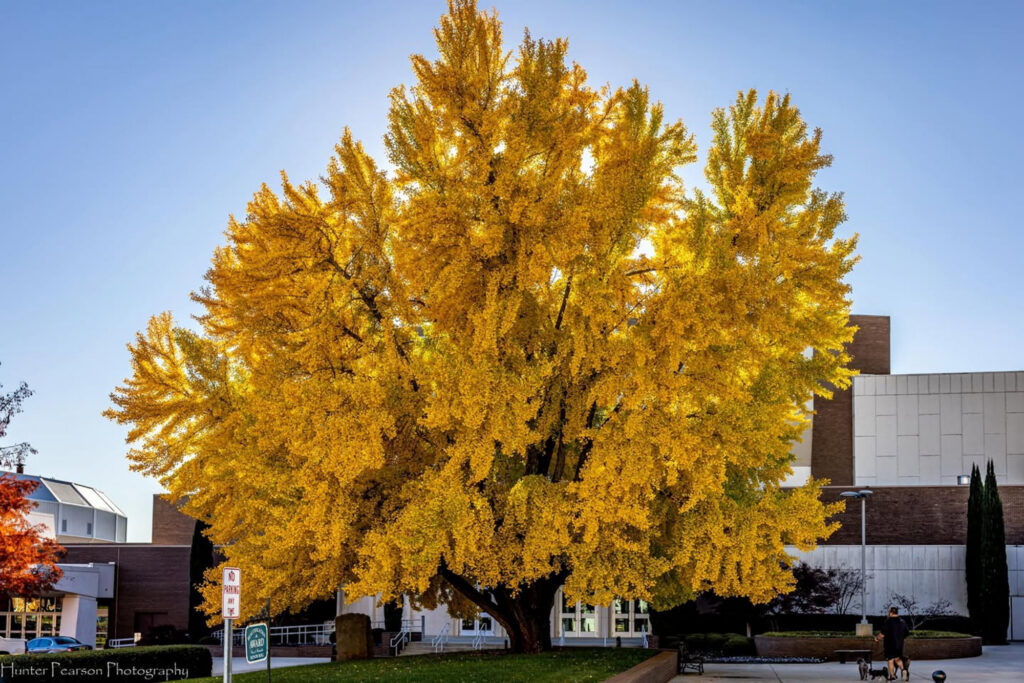
The Ginkgo Tree outside the Concert Hall has been here for over 70 years, predating the VBC by 20 years!
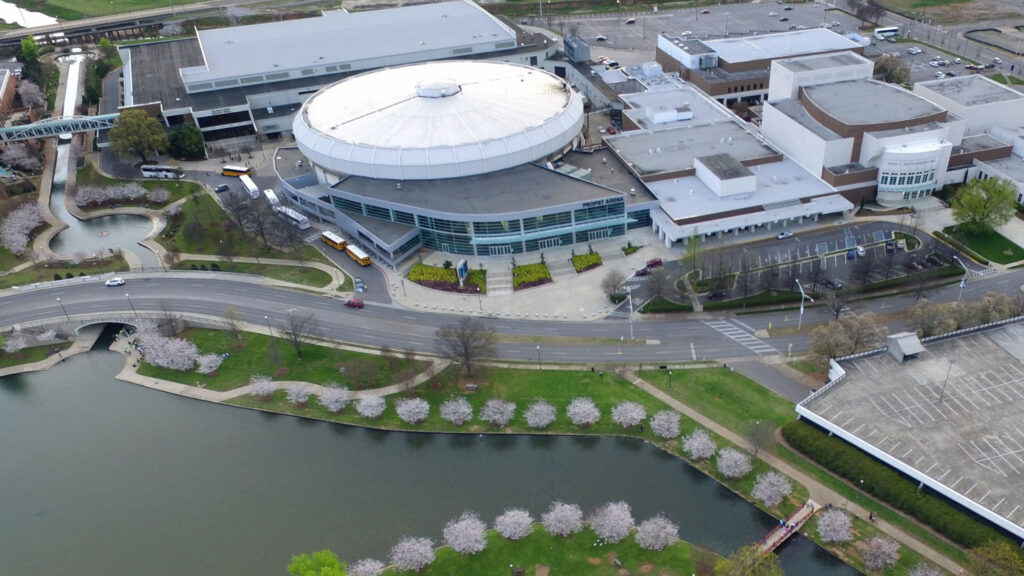
On March 24, 1975, Johnny Cash held the first concert in the new VBCC arena for 5,630 fans.
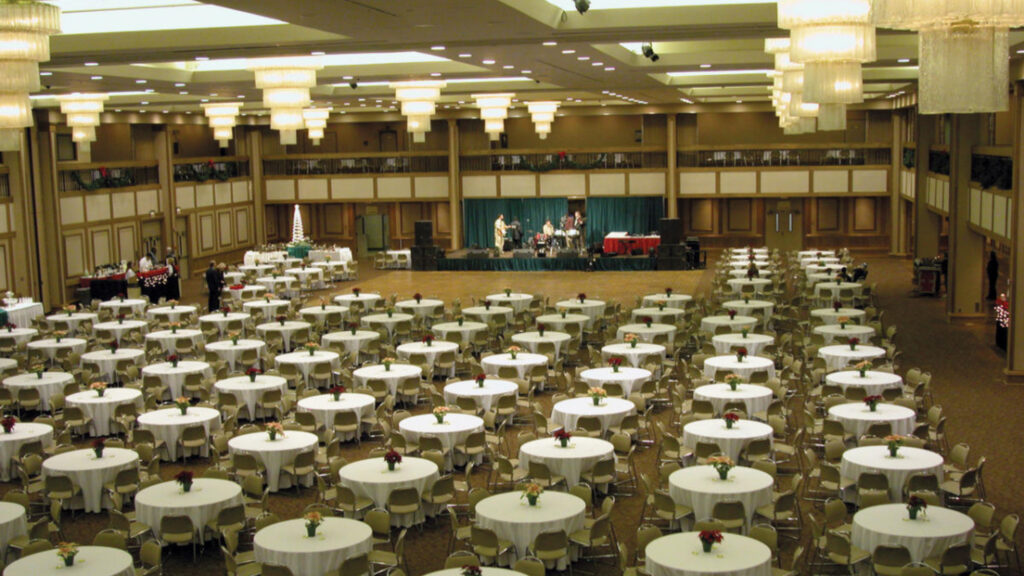
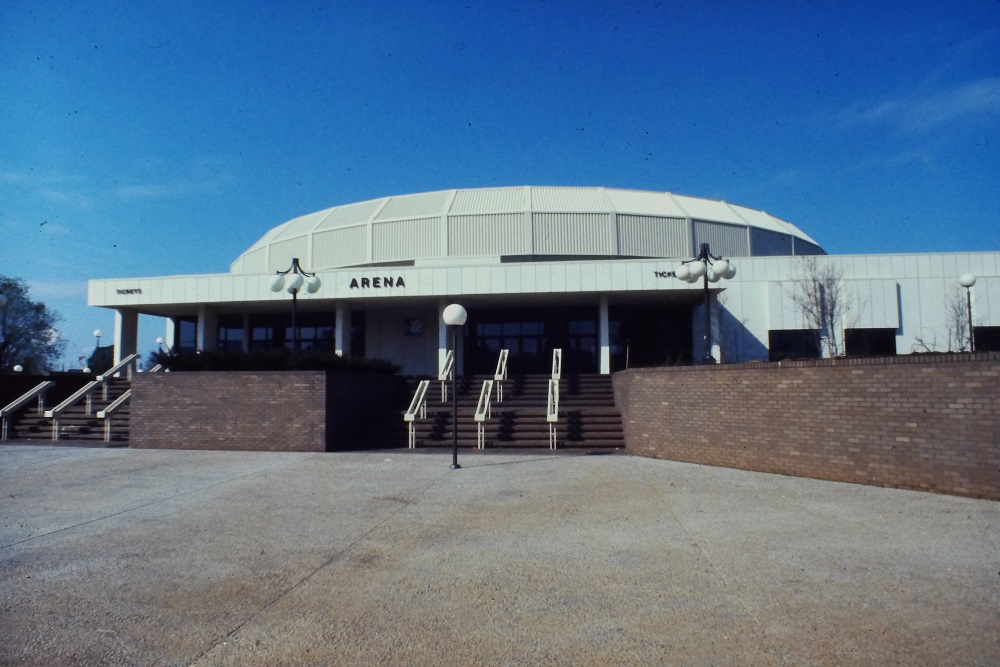
The VBC is named for the scientist and team who built the rockets that sent the U.S. to the moon.
The Ginkgo Tree outside the Concert Hall has been here for over 70 years, predating the VBC by 20 years!
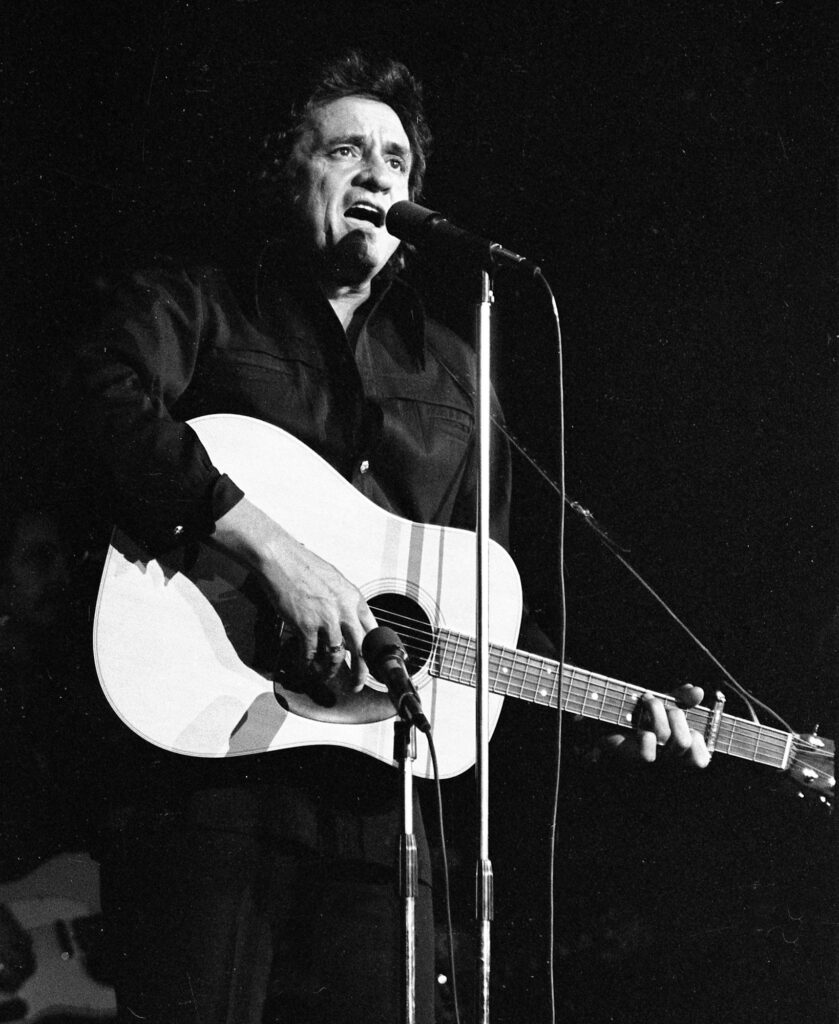
On March 24, 1975, Johnny Cash held the first concert in the new VBCC arena for 5,630 fans.
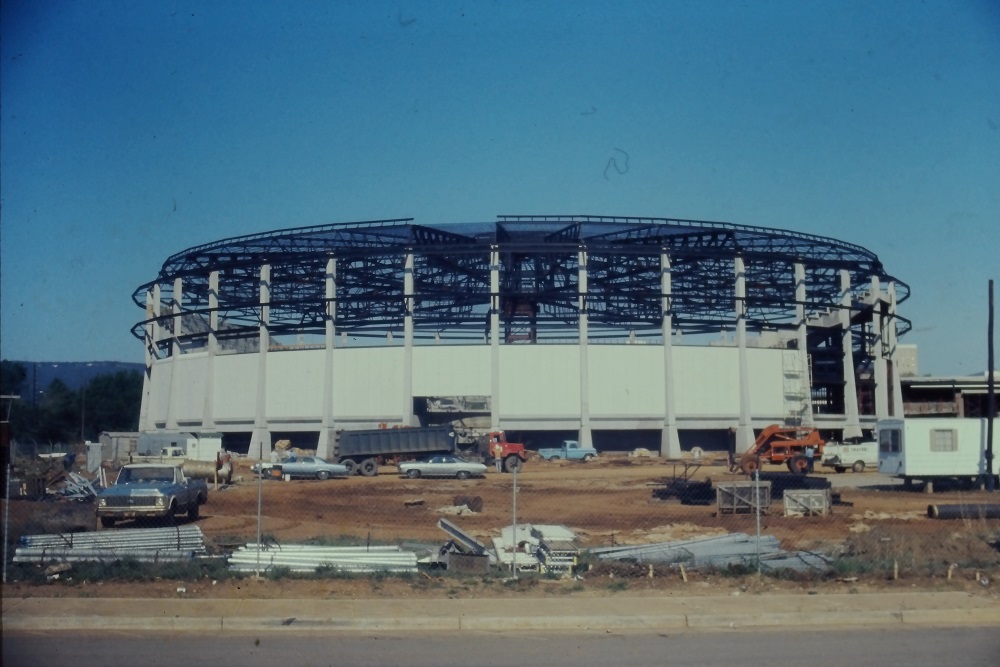
The VBC is named for the scientist and team who built the rockets that sent the U.S. to the moon.